
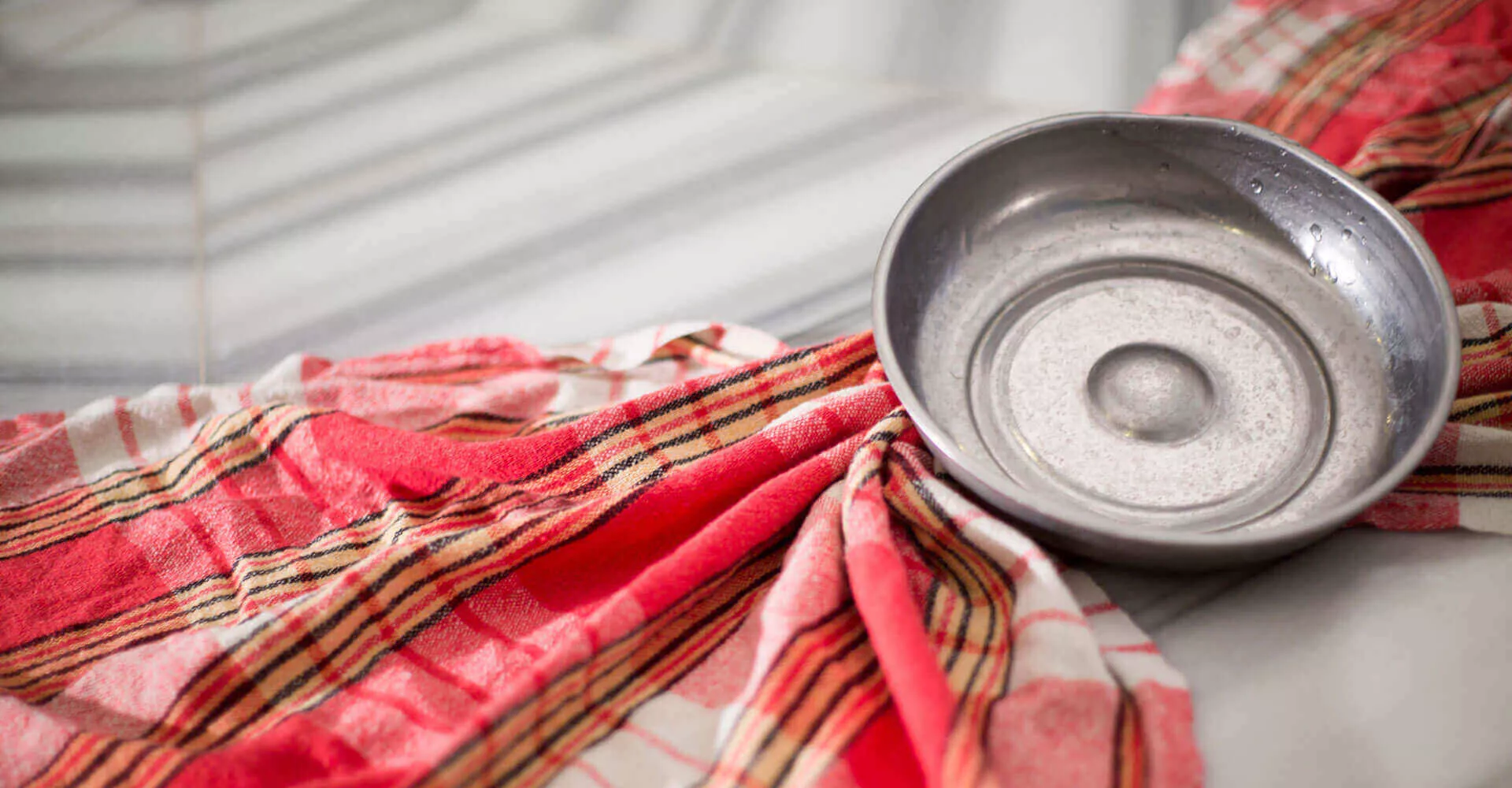
In this guide, you will explore what a pestemal is, how pestemal culture developed, and why its benefits continue to make it relevant in modern lifestyles that value simplicity, functionality, and cultural authenticity.
A pestemal, also known as a hammam towel, is a traditional Turkish towel characterized by its thin, flat weave and lightweight structure, which differs significantly from thick terry towels commonly used today. Traditionally handwoven, pestemals are usually made from natural fibers such as cotton or linen, while some modern versions incorporate bamboo fibers for added softness and absorbency.
Despite their light appearance, pestemals absorb water efficiently and dry quickly, which makes them especially suitable for humid environments like baths, spas, and coastal regions. These qualities explain why pestemal culture has endured for generations rather than being replaced by heavier modern alternatives.
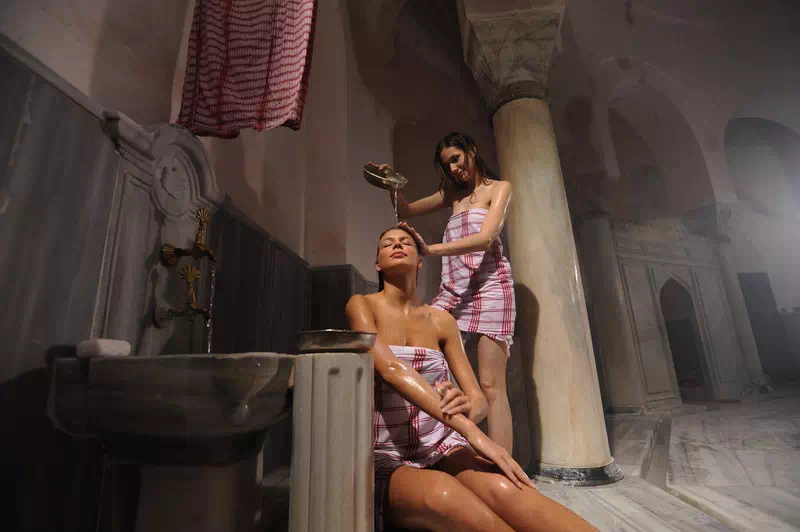
The roots of pestemal culture stretch back several centuries to the rise of Turkish hammams, where pestemals were essential items for both hygiene and modesty. In Ottoman society, pestemals were not only practical tools but also indicators of craftsmanship, regional identity, and sometimes social status, as colors, patterns, and weaving styles varied between communities.
Over time, pestemals evolved from strictly functional bath textiles into cultural objects that reflected changing tastes while preserving traditional weaving techniques. Today, modern designs maintain the essence of pestemal culture while adapting patterns and colors to contemporary preferences.
Pestemals are ideally suited to hammam rituals because their design supports the physical and environmental conditions of traditional baths, where heat, steam, and repeated rinsing are central elements of the experience.
Key reasons pestemals remain essential in hammams include:
Their lightweight structure, which prevents heaviness when wet
Breathable fabric that allows air circulation in hot environments
Quick-drying fibers that remain comfortable throughout the ritual
Flexible size that wraps easily around the body while maintaining modesty
For visitors experiencing an authentic hammam, such as those offered through Istanbul Turkish Baths, pestemals remain a defining element of the traditional bathing experience.
The benefits of pestemal culture extend far beyond the hammam, which explains why these towels have gained popularity worldwide. Pestemals offer a combination of practicality and comfort that suits both travel and daily use.
The main benefits of using a pestemal include:
Lightweight design that makes it easy to carry and store
High absorbency despite thin weaving
Faster drying time compared to thick towels
Minimal storage space required at home or while traveling
These qualities make pestemals particularly appealing to travelers, wellness enthusiasts, and individuals who prefer functional, minimalist products.
When comparing pestemals with conventional towels, the differences highlight why pestemal culture continues to thrive. Regular towels are typically bulky, slow to dry, and designed primarily for bathroom use, while pestemals offer flexibility across multiple environments.
Regular towels tend to retain moisture longer and occupy more space, whereas pestemals remain light, dry quickly, and adapt easily to different uses without sacrificing comfort or effectiveness.

In contemporary life, pestemals have moved well beyond their original role in hammams and have become multifunctional textiles suited to a wide range of activities.
Common modern uses include:
Beach and pool towels
Yoga, pilates, or gym towels
Travel blankets or wraps
Decorative throws or table textiles at home
This adaptability demonstrates how pestemal culture successfully bridges tradition and modern living.
Proper care helps preserve both the appearance and functionality of a pestemal over time. Washing pestemals with mild detergent and avoiding fabric softeners protects the natural fibers and maintains absorbency.
Air drying or using low heat is recommended to prevent fiber damage and color fading, ensuring that the towel remains soft and effective through repeated use.
Pestemal culture represents a rare balance between tradition, practicality, and modern relevance, offering a textile that continues to meet contemporary needs without losing its cultural identity. From hammams to beaches and homes, pestemals provide comfort, functionality, and understated elegance.
Whether used as part of a traditional bath ritual or integrated into everyday life, pestemals remain a meaningful example of how heritage textiles can evolve while preserving their core values.
Wikipedia: Pestamal Culture


This website uses cookies. By using this website and agreeing to this policy, you consent to our use of cookies in accordance with the terms of this policy.
Cookies are small text files that are placed on your computer by websites that you visit. They are widely used in order to make websites work, or work more efficiently, as well as to provide information to the owners of the site.
We use cookies to:
1. Strictly Necessary Cookies: These are essential in order to enable you to move around the website and use its features.
2. Performance Cookies: These cookies collect information about how visitors use a website, for instance which pages visitors go to most often.
3. Functionality Cookies: These cookies allow the website to remember choices you make and provide enhanced, more personal features.
4. Targeting/Advertising Cookies: These cookies are used to deliver adverts more relevant to you and your interests.
You can control and/or delete cookies as you wish. You can delete all cookies that are already on your computer and you can set most browsers to prevent them from being placed. If you do this, however, you may have to manually adjust some preferences every time you visit a site and some services and functionalities may not work.


' fill='%23be2a2c'%3E%3C/path%3E%3Cpath d='M27,4H5c-2.209,0-4,1.791-4,4V24c0,2.209,1.791,4,4,4H27c2.209,0,4-1.791,4-4V8c0-2.209-1.791-4-4-4Zm3,20c0,1.654-1.346,3-3,3H5c-1.654,0-3-1.346-3-3V8c0-1.654,1.346-3,3-3H27c1.654,0,3,1.346,3,3V24Z' opacity='.15'%3E%3C/path%3E%3Cpath d='M27,5H5c-1.657,0-3,1.343-3,3v1c0-1.657,1.343-3,3-3H27c1.657,0,3,1.343,3,3v-1c0-1.657-1.343-3-3-3Z' fill='%23fff' opacity='.2'%3E%3C/path%3E%3C/svg%3E)
' fill='%23f8d147'%3E%3C/path%3E%3Cpath d='M27,4H5c-2.209,0-4,1.791-4,4V24c0,2.209,1.791,4,4,4H27c2.209,0,4-1.791,4-4V8c0-2.209-1.791-4-4-4Zm3,20c0,1.654-1.346,3-3,3H5c-1.654,0-3-1.346-3-3V8c0-1.654,1.346-3,3-3H27c1.654,0,3,1.346,3,3V24Z' opacity='.15'%3E%3C/path%3E%3Cpath d='M27,5H5c-1.657,0-3,1.343-3,3v1c0-1.657,1.343-3,3-3H27c1.657,0,3,1.343,3,3v-1c0-1.657-1.343-3-3-3Z' fill='%23fff' opacity='.2'%3E%3C/path%3E%3C/svg%3E)
' fill='%23a0251e'%3E%3C/path%3E%3Cpath d='M27,4H5c-2.209,0-4,1.791-4,4V24c0,2.209,1.791,4,4,4H27c2.209,0,4-1.791,4-4V8c0-2.209-1.791-4-4-4Zm3,20c0,1.654-1.346,3-3,3H5c-1.654,0-3-1.346-3-3V8c0-1.654,1.346-3,3-3H27c1.654,0,3,1.346,3,3V24Z' opacity='.15'%3E%3C/path%3E%3Cpath d='M27,5H5c-1.657,0-3,1.343-3,3v1c0-1.657,1.343-3,3-3H27c1.657,0,3,1.343,3,3v-1c0-1.657-1.343-3-3-3Z' fill='%23fff' opacity='.2'%3E%3C/path%3E%3Cpath d='M12.614,13.091c.066-.031,.055-.14-.016-.157,.057-.047,.02-.15-.055-.148,.04-.057-.012-.144-.082-.13,.021-.062-.042-.127-.104-.105,.01-.068-.071-.119-.127-.081,.004-.068-.081-.112-.134-.069-.01-.071-.11-.095-.15-.035-.014-.068-.111-.087-.149-.028-.027-.055-.114-.057-.144-.004-.03-.047-.107-.045-.136,.002-.018-.028-.057-.044-.09-.034,.009-.065-.066-.115-.122-.082,.002-.07-.087-.111-.138-.064-.013-.064-.103-.087-.144-.036-.02-.063-.114-.075-.148-.017-.036-.056-.129-.042-.147,.022-.041-.055-.135-.031-.146,.036-.011-.008-.023-.014-.037-.016,.006-.008,.01-.016,.015-.025h.002c.058-.107,.004-.256-.106-.298v-.098h.099v-.154h-.099v-.101h-.151v.101h-.099v.154h.099v.096c-.113,.04-.169,.191-.11,.299h.002c.004,.008,.009,.017,.014,.024-.015,.002-.029,.008-.04,.017-.011-.067-.106-.091-.146-.036-.018-.064-.111-.078-.147-.022-.034-.057-.128-.046-.148,.017-.041-.052-.131-.028-.144,.036-.051-.047-.139-.006-.138,.064-.056-.033-.131,.017-.122,.082-.034-.01-.072,.006-.091,.034-.029-.047-.106-.049-.136-.002-.03-.054-.117-.051-.143,.004-.037-.059-.135-.04-.149,.028-.039-.06-.14-.037-.15,.035-.053-.043-.138,0-.134,.069-.056-.038-.137,.013-.127,.081-.062-.021-.125,.044-.104,.105-.05-.009-.096,.033-.096,.084h0c0,.017,.005,.033,.014,.047-.075-.002-.111,.101-.055,.148-.071,.017-.082,.125-.016,.157-.061,.035-.047,.138,.022,.154-.013,.015-.021,.034-.021,.055h0c0,.042,.03,.077,.069,.084-.023,.048,.009,.11,.06,.118-.013,.03-.012,.073-.012,.106,.09-.019,.2,.006,.239,.11-.015,.068,.065,.156,.138,.146,.06,.085,.133,.165,.251,.197-.021,.093,.064,.093,.123,.118-.013,.016-.043,.063-.055,.081,.024,.013,.087,.041,.113,.051,.005,.019,.004,.028,.004,.031,.091,.501,2.534,.502,2.616-.001v-.002s.004,.003,.004,.004c0-.003-.001-.011,.004-.031l.118-.042-.062-.09c.056-.028,.145-.025,.123-.119,.119-.032,.193-.112,.253-.198,.073,.01,.153-.078,.138-.146,.039-.104,.15-.129,.239-.11,0-.035,.002-.078-.013-.109,.044-.014,.07-.071,.049-.115,.062-.009,.091-.093,.048-.139,.069-.016,.083-.12,.022-.154Zm-.296-.114c0,.049-.012,.098-.034,.141-.198-.137-.477-.238-.694-.214-.002-.009-.006-.017-.011-.024,0,0,0-.001,0-.002,.064-.021,.074-.12,.015-.153,0,0,0,0,0,0,.048-.032,.045-.113-.005-.141,.328-.039,.728,.09,.728,.393Zm-.956-.275c0,.063-.02,.124-.054,.175-.274-.059-.412-.169-.717-.185-.007-.082-.005-.171-.011-.254,.246-.19,.81-.062,.783,.264Zm-1.191-.164c-.002,.05-.003,.102-.007,.151-.302,.013-.449,.122-.719,.185-.26-.406,.415-.676,.73-.436-.002,.033-.005,.067-.004,.101Zm-1.046,.117c0,.028,.014,.053,.034,.069,0,0,0,0,0,0-.058,.033-.049,.132,.015,.152,0,0,0,.001,0,.002-.005,.007-.008,.015-.011,.024-.219-.024-.495,.067-.698,.206-.155-.377,.323-.576,.698-.525-.023,.015-.039,.041-.039,.072Zm3.065-.115s0,0,0,0c0,0,0,0,0,0,0,0,0,0,0,0Zm-3.113,1.798v.002s-.002,0-.003,.002c0-.001,.002-.003,.003-.003Z' fill='%239b8028'%3E%3C/path%3E%3Cpath d='M14.133,16.856c.275-.65,.201-.508-.319-.787v-.873c.149-.099-.094-.121,.05-.235h.072v-.339h-.99v.339h.075c.136,.102-.091,.146,.05,.235v.76c-.524-.007-.771,.066-.679,.576h.039s0,0,0,0l.016,.036c.14-.063,.372-.107,.624-.119v.224c-.384,.029-.42,.608,0,.8v1.291c-.053,.017-.069,.089-.024,.123,.007,.065-.058,.092-.113,.083,0,.026,0,.237,0,.269-.044,.024-.113,.03-.17,.028v.108s0,0,0,0v.107s0,0,0,0v.107s0,0,0,0v.108s0,0,0,0v.186c.459-.068,.895-.068,1.353,0v-.616c-.057,.002-.124-.004-.17-.028,0-.033,0-.241,0-.268-.054,.008-.118-.017-.113-.081,.048-.033,.034-.108-.021-.126v-.932c.038,.017,.073,.035,.105,.053-.105,.119-.092,.326,.031,.429l.057-.053c.222-.329,.396-.743-.193-.896v-.35c.177-.019,.289-.074,.319-.158Z' fill='%239b8028'%3E%3C/path%3E%3Cpath d='M8.36,16.058c-.153-.062-.39-.098-.653-.102v-.76c.094-.041,.034-.115-.013-.159,.02-.038,.092-.057,.056-.115h.043v-.261h-.912v.261h.039c-.037,.059,.039,.078,.057,.115-.047,.042-.108,.118-.014,.159v.873c-.644,.133-.611,.748,0,.945v.35c-.59,.154-.415,.567-.193,.896l.057,.053c.123-.103,.136-.31,.031-.429,.032-.018,.067-.036,.105-.053v.932c-.055,.018-.069,.093-.021,.126,.005,.064-.059,.089-.113,.081,0,.026,0,.236,0,.268-.045,.024-.113,.031-.17,.028v.401h0v.215c.459-.068,.895-.068,1.352,0v-.186s0,0,0,0v-.108s0,0,0,0v-.107s0,0,0,0v-.107s0,0,0,0v-.108c-.056,.002-.124-.004-.169-.028,0-.033,0-.241,0-.269-.055,.008-.119-.018-.113-.083,.045-.034,.03-.107-.024-.124v-1.29c.421-.192,.383-.772,0-.8v-.224c.575,.035,.796,.314,.653-.392Z' fill='%239b8028'%3E%3C/path%3E%3Cpath d='M12.531,14.533h-4.28l.003,2.572v1.485c0,.432,.226,.822,.591,1.019,.473,.252,1.024,.391,1.552,.391s1.064-.135,1.544-.391c.364-.197,.591-.587,.591-1.019v-4.057Z' fill='%23a0251e'%3E%3C/path%3E%3C/svg%3E)

' fill='%23c53a28'%3E%3C/path%3E%3Cpath d='M27,4H5c-2.209,0-4,1.791-4,4V24c0,2.209,1.791,4,4,4H27c2.209,0,4-1.791,4-4V8c0-2.209-1.791-4-4-4Zm3,20c0,1.654-1.346,3-3,3H5c-1.654,0-3-1.346-3-3V8c0-1.654,1.346-3,3-3H27c1.654,0,3,1.346,3,3V24Z' opacity='.15'%3E%3C/path%3E%3Cpath d='M27,5H5c-1.657,0-3,1.343-3,3v1c0-1.657,1.343-3,3-3H27c1.657,0,3,1.343,3,3v-1c0-1.657-1.343-3-3-3Z' fill='%23fff' opacity='.2'%3E%3C/path%3E%3C/svg%3E)

